These outcomes reflect what happens when families understand the money before students commit.
Naysa R.
University: Bethune-Cookman University
Major: Psychology
Award: Merit scholarship
Awards: $100,760
Mario D.
University: Alabama A&M University
Major: Urban Planning
Award: Transfer scholarship
Awards: $27,951
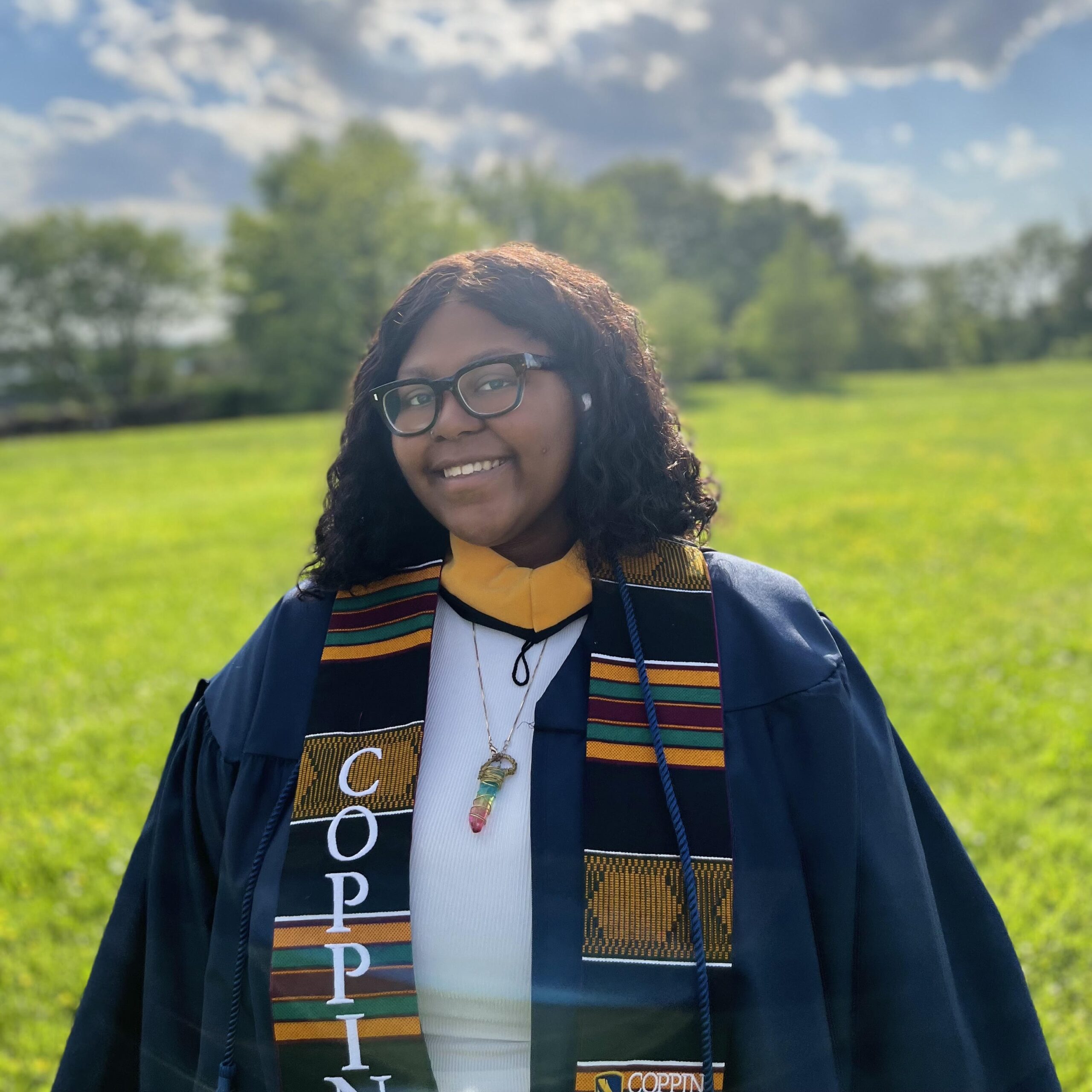
Dashay R.
University: Coppin State University
Major: Criminal Justice
Award: Merit scholarship
Awards: $56,092
Who We Are
HBCU Money Guide exists to help families understand the money side of college planning, how scholarships, financial aid, and early college credits actually affect what students pay.
College funding information isn’t always clear. Families are often asked to make big decisions with incomplete information. Details can vary by state, institution, and program, and families can be left piecing things together on their own. This site brings that information into one place and explains it in plain language.
While HBCU-specific insights are a core strength, the information shared is also useful for any family navigating college costs. Our goal isn’t to push a particular path or school. It’s to help families see the money clearly so they can make choices that make sense for them.
The information here is shaped by years of working with students and parents, reviewing real financial aid offers, and seeing what happens when planning starts early and when it doesn’t.
The goal is simple: help families understand the numbers and opportunities before decisions are made.
The information provided on this site is for educational purposes only and is not financial, legal, or tax advice. Families should consult appropriate professionals when making individual financial decisions.